Is Online Dental ILS Training Enough For My Team?

Your Dental CPD courses are essential but time consuming. So Online Training is a great solution...right?

Two hands holding an item of clothing showing the label one size fits none

Since COVID, everything that wasn't online certainly is now - your CPD training is no exception. But does that mean you don't need practical training anymore?

Well...not quite.

Let's look at online training as a whole...

Online Isn't The Ultimate Solution.

Online training lets you complete endless hours of quality CPD in the palm of your hand. It's accessible, cheap & easier to fit into your busy schedule.

But should it replace face-to-face training?

Learning about a topic is one thing, practising your skills in that topic in your clinic is something else.

Hand placing a coin in a pink piggy bank.

Online training is cheaper. But there's a reason for that.

It requires little man-power & offers skills to test" your knowledge in. That's great for simple training courses or to supporting more in-depth training.

But you can't deliver adrenaline or practice complex airway management through your computer screen. And you definitely can't physically practice CPR.

Dental specific ILS requires advanced airway management techniques that must be practised in person (ideally in your treatment room) in realistic scenarios.

So "No" to Online Training?

Also not quite true!

Practical training gives your team the opportunity to prepare in your practice, using the more complex airway techniques required for dental ILS training.

There are specific processes within Dental ILS that must be practised in person to achieve competence under pressure in a real scenario.

So what's the down side?

Time.

Practical dental ILS courses often range in time from 7 hours - to 2 days depending on the required content. You've got a busy practice to run & limited amounts of free time for your team to train.

Practical training is also more expensive than online training as it's more complex & requires a qualified instructor. There's no real substitute for practical training, but it can't be your only form of CPD.

So What Should You Do?

Both.

Blended learning is now the norm because you get the best of both worlds.

Any training that requires physical practice (administering injections/drugs, CPR, inserting airways etc) must be done practically to achieve competence throughout your team.

White head silhouette created with puzzle pieces

When it comes to dental ILS training, a short online course alone will not prepare you for a real-life emergency. You can gain the theory & knowledge, but without practice, you lack the confidence to perform.

Theoretical training completed online should compliment & support practical training between your annual sessions. You can then find more specific online training that focuses on an element of the practical course you may have learnt.

We always recommend completing the training you need to make your whole team confident rather than just doing the minimum required. Y

our patients depend on you to keep them safe - don't let them down.

We hope that helps you balance online & in-person training. But if you need any further help, please contact us

P.S. If you need Dental ILS training for your team, you can book here
Anaphylaxis v Swelling in Dentistry-Can You Tell the Difference?

3 ways to tell the difference between swelling from extraction vs anaphylaxis.

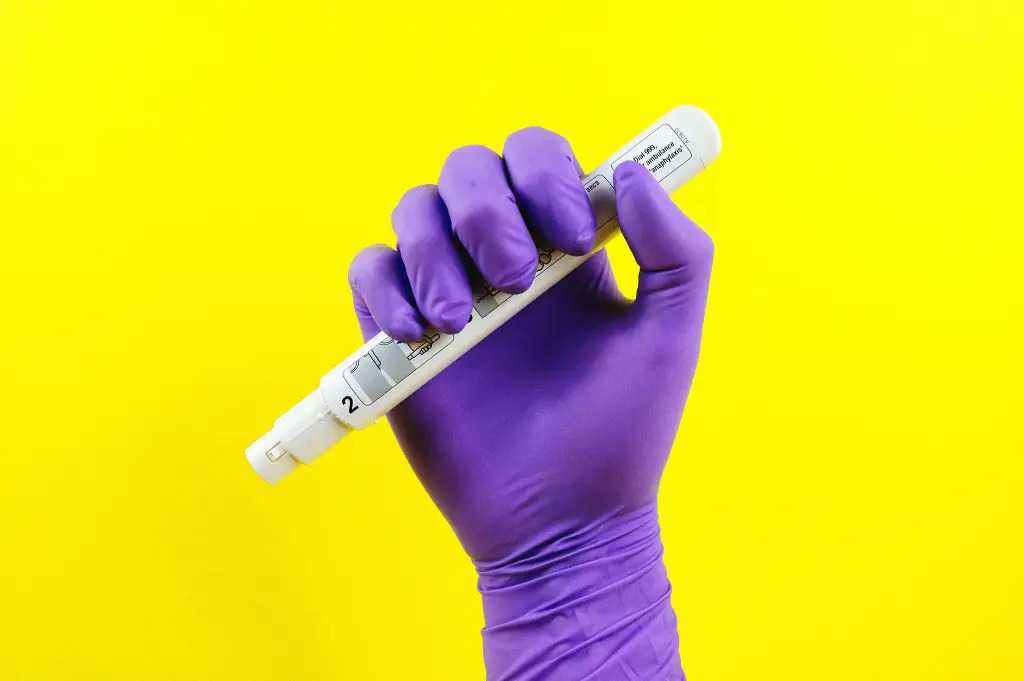
Purple-gloved hand holing an adrenaline auto-injector preparing to administeradrenaline

Picture the scene: Your patient's had a successful extraction but complains about some discomfort & swelling after completion. It's to be expected after the fairly brutal process & dose of anaesthetic.

But suddenly they start to sound raspy & before you know it, they're struggling to breathe.

Your patient has suffered an anaphylactic reaction & their life's now in your hands.

How were you to know? Could you have spotted the problem sooner?

How to Tell the Difference

You won't always be able to detect early subtle signs & symptoms of anaphylaxis immediately, but let's look at the key things to consider.

1. Localised v Systemic Swelling

Following an extraction or invasive dental work, patients might experience some swelling in & around the area it was carried out.

The key difference is that anaphylaxis a systemic reaction affecting multiple systems in the body. This often means swelling in other areas away from the site of treatment.

Look for puffiness & swelling around the eyes & lips externally - areas that shouldn't be affected by the treatment you've given.

2. Changes in the Skin

Following invasive treatment, your patient may experience some minor bruising or redness around the area of treatment.

The skin is another organ often affected by an anaphylactic reaction. A rash can be a common sign of anaphylaxis. This is something you can look out for particularly following local anaesthetic & may even appear as you assess the patient.

The rash is often raised hives (urticaria), red & very itchy/uncomfortable for the patient. It can be present all over the body but often on the patients hands, arms & face (particularly around the eyes).

3. Internal Discomfort

This will initially be the most difficult symptom to detect particularly following local anaesthetic. While numbness & some discomfort is expected, the airway & ability to breath shouldn't be affected.

Swelling of the tongue & airway is a serious sign of anaphylaxis especially if it affects the patient's ability to breathe. This can produce a rasping noise (stridor) from the upper airway. These aren't symptoms normally associated with dental treatment. The tongue may even protrude from the patient's mouth.

Difficulty breathing (or a wheeze) & a drop in blood pressure causing the patient to collapse are indicators of anaphylactic shock.

Key Take Away

It's important that all staff are familiar with the signs & symptoms of anaphylaxis & that drugs & equipment are quickly available to manage a reaction.

Your practice should have an emergency action plan identifying the actions to take during during a medical emergency & clarifying all staff roles & responsibilities.

We hope that helps but if you have any specific questions about anaphylaxis, please feel free to contact us!

You can also refer to the Resuscitation Council UK's FAQ's in relation to anaphylaxis.

P.S. We also provide additional Drug Administration & IM injection courses. If you'd like to know more, Contact Us