Pitch-Side Wound Management and Suturing.

A guest blog by Gareth Davies. 

Since 2004, I have been involved as a pitch-side sports therapist in rugby, ranging from grassroots to the professional level. This season, I moved into football, working with Pen-y-Bont F.C. who are in the Welsh Premier League. 

While I was setting up all the stations during my first game with the football team (a force of habit having worked in rugby), I was told “you will never need that", the reference being to the suturing box, but I set it up ready just in case.

After a few games of being called onto the field for fairly minor injuries, such as stubbed toes, sprains and strains, bruising and swelling, the last three games had been somewhat eventful. I had to deal with three players who all suffered cuts to the head and face which have all required suturing.

Suturing is a very specific skill that was taught to me by Lubas Medical on their Wound Management and Suturing course. This is one hundred percent a fantastic skill to have and I highly recommend to anyone who is involved with a contact sport to have these specific skills. 

"This is one hundred percent a fantastic skill to have and I highly recommend to anyone who is involved with a contact sport to have these specific skills."

Having these skills enables managers to lose a player for a short space of time, as opposed to the remainder of the fixture. This is unless the player needs to be removed from the game and sent to the hospital for medical attention! 

Two of the players I sutured had fairly deep cuts on the scalp to the top of the head, both of which were bleeding quite a lot. It would have been impossible to put a dressing on this area and therefore the player would have had to been removed from the game and sent to A&E for treatment. 

This would have caused more issues as in one of the games we were away in North Wales and either the coach would have had to wait for us or we would have had to find alternative transport home!

The other player had a nasty cut just below the eye and this player did get sent to A&E, as I remembered the instructor on the suturing course saying that this is a very delicate area of the face that has lots of blood vessels and nerves, so you need to be highly trained to suture in this area. 

There are also cosmetic issues to think about. For this reason, I cleaned the wound and put a dressing over it. The player was taken to A&E who was then seen by a Maxillofacial surgeon who sutured the wound.

All of these experiences show that as pitch-side sports therapists, we need to be prepared for any situation. By learning key Wound Management and Suturing skills, I am now able to assess, manage and select the appropriate wound closure technique for a variety of traumatic wounds.

Lubasmedical.com 2.0

Exciting Lubas website updates coming soon!

We have a number of exciting updates coming to the Lubas website over the coming months.

Here's a breakdown of what to expect for Lubasmedical.com 2.0!

FASE 1

You may already be aware that our First Aid for Sport & Exercise 1 (FASE 1) course has been re-designed to include 50% online learning (if you haven't seen it yet, check it out here).

By utilising technology, the course is now more accessible on the go (using a mobile device). It also allows the face-to-face training to be completely practical & saves you time in the process!

LUBAS ONLINE

FASE 1 is just the start. We are creating a library of online training content that will include courses, updates, skills videos & more to keep your knowledge fresh.

Again the use of mobile technology will give you access to all this Lubas training content on the go!

EDUCATION

After working closely with Universities & colleges for a number of years, we'll be adding an area for Universities, Colleges & schools to book custom training programmes to suit specific needs.

This will include information about our 'Sports Trauma Pathway'.

We're also excited to be able to release further information about our 'Lubas Instructor Training' courses. This will be included in the new educational area of the site.

MEDICS FOR SPORT

'Medics for Sport' will be the new Lubas membership for professionals & first aiders working in sport.

The membership will offer exclusive access to the Lubas Online library, CPD events, CPD materials, members discounts & the 'Medics for Sport' network.

If you're qualified in Lubas FASE 1, FASE 2 or Sports Trauma Management, join the 'Medics for Sport' Facebook group now for job posts, updates, information and networking.

SHOP

We'll soon be introducing an area on the site for buying equipment & support materials for our sport courses.

We've had a huge increase in requests for medical logs, kit bags & equipment advice. This area will provide you with all this & more. The equipment we offer will replicate the kit we teach with & use ourselves.

REDUCING PAPER WASTE

Finally we're doing all we can to drastically reduce the amount of paper and printing we produce.

Using online training to support practical courses allows you access to materials that previously had to be printed. This means less hand outs & physical booklets.

We've introduced a downloadable PDF book for Sports Trauma Management & all FASE 1 theory is now accessible online.

The changes we're making will help us deliver even better service for you. There may be some disruption through the process but we'll keep you posted.

As always, it's your feedback that's most important to us. So if you have any comments or additional services/features you'd like to see, please contact us & let us know!

Behind the Scenes at Cardiff City FC

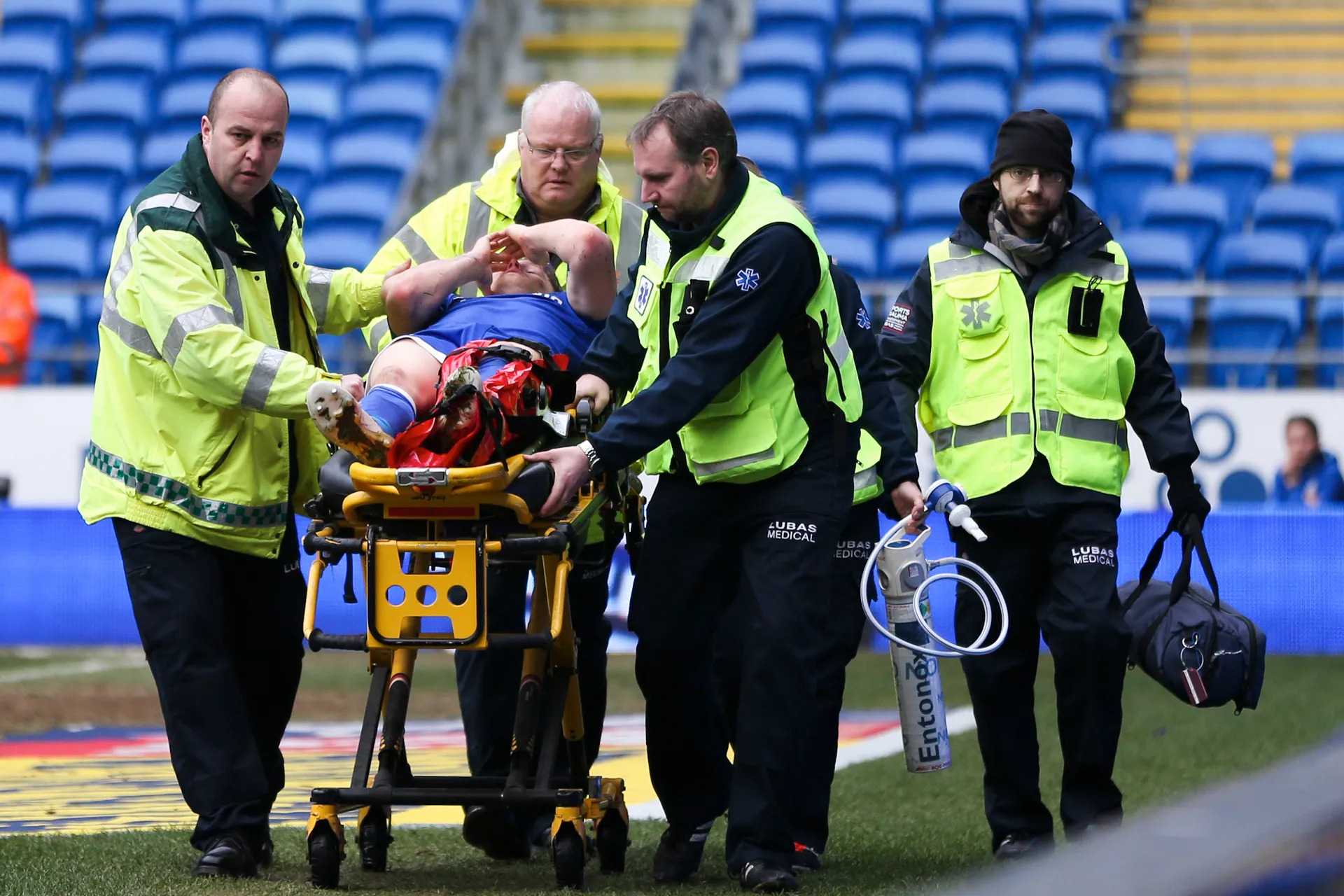
Pitch side medical team assisting an injured player at Cardiff city football club.
Lubas Medical pitch side team assisting an injured player at Cardiff City.

How elite players are kept safe

The Medical Team at Cardiff City regularly receive praise & recognition from visiting teams for the quality of their set up.

Here's how Lubas fit in with the team, & how you can prepare in any sport, at any level...

1. The Medical Team

The Lubas pitch side medical team consists of 4 medics & an ambulance crew, all with professional qualifications & trained in Lubas Sports Trauma Management. Our purpose is to support all medical staff & manage any traumatic injuries to players of both teams & officials.

Each member of the team has a specific role in dealing with an injured player depending on the type of injury.

To function safely & efficiently, we work closely with Cardiff City's full time medical staff, led by the team physio & head of medical (Matthew May) and team doctor (Professor Len Noakes).

Everyone understands their role & responsibility within the set up. The visiting medical team are brought up to speed during a pre-match medical meeting before every game. Medical teams clarify the support that's available & the plan in the event of a serious (or multi-player) injury.

It's vital for player safety to run through these plans pre-match so both teams fully understand & clarify the procedures.

2. Planning & Communication

In addition to pre-match briefings, the Cardiff City medical staff & Lubas pitch side team run through monthly practical training together.

We run through various scenarios including spinal injury, lower limb fractures & cardiac arrest. We practice the management of injury & transfer to the medical room.

Scenarios ensure everyone in both the Lubas pitch-side team & Cardiff's medical staff fully understand their role during the management of a serious injury.

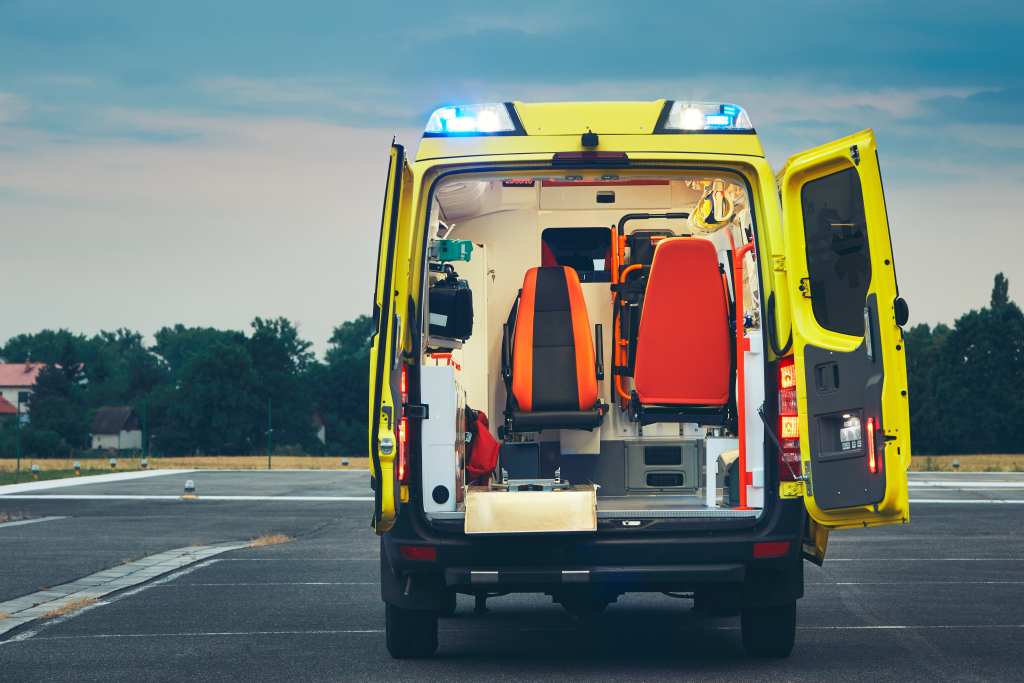
There is also a set procedure in place for our ambulance crew to quickly & efficiently transfer a player to hospital in an emergency. This has been utilised on several occasions.

3. Equipment

The Lubas team & the medical staff at Cardiff City work together to ensure all medical equipment required is available & fit for purpose.

There are 3 areas that require fully stocked medical equipment:

Individuals from the medical team share responsibility for checking the medical kit.

The kit includes emergency drugs & life saving equipment (such as defibrillators, airways, oxygen, fluids etc) & immediate trauma management kit (Entonox, splints, spinal immobilisation & extraction equipment etc).

The emergency kit must always be available, in the place it's needed, when required. All equipment is regularly checked between games to ensure working order & check expiries & stock levels.

4. Teamwork

Football is a team game both on & off the pitch. We've been very lucky to work within such a supportive & inclusive medical team at Cardiff City.

The team fully understands the importance of both player safety & staff welfare. The camaraderie created at Cardiff City only helps to develop trust & confidence in the medical staff to do their jobs.

There aren't many teams that offer the players, & their families basic first aid training. But we're fortunate to work with a group of players at Cardiff that understand the importance of the medical team.

We provide basic first aid training for players, coaches & their families to help enhance this understanding. This also give them the basic knowledge required if they ever need to deal with an emergency.

The togetherness & family spirit at Cardiff City was truly evident this year. The support shown for team Dr, Professor Len Noakes, in his learn CPR campaign following the tragic death of his daughter, was incredible.

It was a privilege to contribute & take part of the film he created. You can watch it below, but we encourage everyone to watch & share it here: https://www.facebook.com/OnlyTimeBook/

All of these elements are relevant in all sports at all levels. We transfer the same mindset into grassroots, local & amateur sports as we do at elite level.

The key is remembering that player safety is the most important element of pitch side medical care at all levels.

This blog will help you to analyse your own planning, communication, preparation & teamwork skills. Is there anything you can do to improve these skills in your medical team?

If you are qualified in Lubas Sports Trauma Management, FASE 1 or FASE 2, join our "Medics for Sport" Facebook group for jobs, experience & more information.

Wound Management - Questions You Need to Ask

Of all the skills taught on our Wound Management course, wound assessment is among the most important. You can't just scramble onto the pitch and start suturing; you first need to inspect the injury in question, making an informed decision about how best to proceed.

Here are some of the questions you need to ask before commencing wound treatment:

Medical Emergencies – Heart Attacks.

What causes heart attacks?

The British Heart Foundation reports that heart attacks & circulatory diseases account for almost a quarter of all deaths in the UK. This means approximately 1 death every 3 minutes!

Here’s some information that can help you recognise & manage the signs & symptoms of a heart attack.

What is a heart attack?

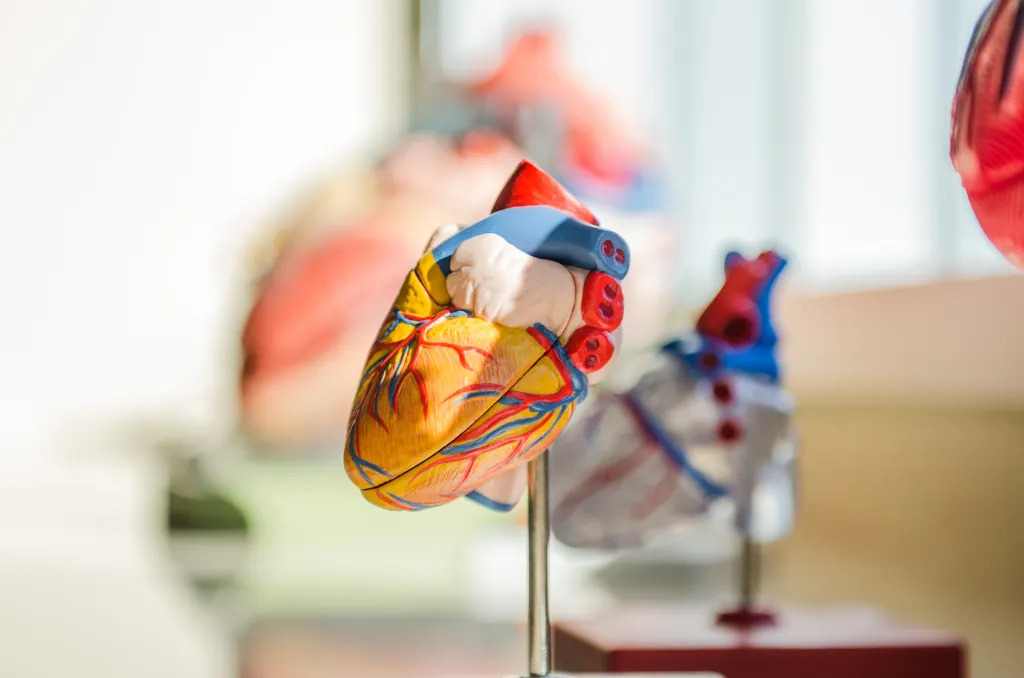
A heart attack is a blockage to one or more of the main arteries of the heart. This blockage prevents blood & oxygen from reaching the heart & causes death to the muscle tissue.

What causes a heart attack?

Most commonly, a heart attack is caused by a build-up of fatty deposits that stick to the arteries over time. Things like smoking, poor diet/lifestyle, diabetes & high blood pressure increase the deposits. This causes a narrowing, which blocks (or initially reduces) the blood from getting to the heart.

What are the signs & symptoms of a heart attack?

Heart attacks don’t always follow the same pattern of signs & symptoms but here are some of the common ones to look for:

Example of: Severe tightness/pressure in the center of the chest.

How to manage a heart attack.

Remember to: Call 999 as soon as you recognise the symptoms.

Are heart attacks fatal?

A heart attack can be fatal. However, the sooner the signs & symptoms are recognised & the ambulance is called, the higher the chances re of survival. Heart attacks can last longer than half an hour. But the longer the attack goes on without treatment, the more damage is done to the heart.

Are a heart attack and cardiac arrest the same thing?

No. A cardiac arrest is when the heart stops pumping blood around your body. This could, however, be caused by a heart attack.

Conclusion

By understanding and recognising the signs & symptoms of a heart attack, you can arrange an ambulance and potentially prevent the loss of life.

Related articles

https://www.mayoclinic.org/diseases-conditions/heart-attack/symptoms-causes/syc-20373106

https://www.healthline.com/health/heart-disease/problems-during-exercise

https://www.nhs.uk/conditions/heart-attack/

How to treat shock after an accident.

The term “shock” is often misunderstood. It can conjure up images of someone dealing with a traumatic experience being “cured” or comforted with a cup of sugary tea! But shock in medical terms relates to a physiological and potentially life-threatening condition.

To help you understand what type of shock we are talking about, here are some pointers for understanding, recognising & managing shock.

What is Shock?

Shock is the reduction of blood & oxygen to the organs and tissues of the body due to a problem with circulation. If untreated, shock can be fatal.

What causes Shock?

Shock is usually caused by a drop in blood pressure. This reduces the amount of oxygen to your vital organs and tissues.

The drop in blood pressure can be commonly caused by high volume blood loss (hypovolaemic shock), problems with the heart (cardiogenic shock) and severe allergic reactions (anaphylactic shock) among other things

What are the signs & symptoms of shock?

Someone suffering from shock will likely show the following symptoms:

What is the treatment for shock?

If you suspect someone is suffering from shock, you should do the following:

Conclusion

Shock is always brought on by an underlying problem or condition. Recognising the symptoms and acting quickly to get further help is vitally important if you suspect shock.

We provide more in-depth information and training regarding shock on our First Aid for Sport & Exercise (FASE 1) course (link to FASE 1). We also offer further online content at www.lubasonline.com

Related articles

https://www.nhs.uk/conditions/first-aid/ (Shock section)

https://www.mayoclinic.org/first-aid/first-aid-shock/basics/art-20056620

https://www.webmd.com/first-aid/shock-treatment

Medics for Sport

Lubas Medics for Sport

Check out our new network group for exchanging jobs with medics in sport.

We have now launched our new Medics for Sport network community on Facebook. Here's what it's all about and why you need to get involved!

What is Medics for Sport?

Medics for Sport is a Facebook group for anyone with a current Lubas FASE 1, FASE 2 or Sports Trauma Management qualification.

The purpose of the group is to share jobs with other medics in the network, discuss topics & get early access to our latest online content.

Confidence in Quality

All medics in the network will hold a Lubas qualification. This means when you post a job in the group, applicants will be trained to a consistent level.

By the same token, if you're interested in one of the jobs posted, you'll know what standard of training is required. It's a perfect opportunity to match jobs with applicants!

Be Part of the Community

Medics for Sport is a community for you to discuss relevant topics & issues or get advice from other members.

Share your experiences, give recommendations & interact with other members in your field.

Easy Access

Medics for Sport couldn't be easier. It's a Facebook group so all you need to do is search 'Medics for Sport' on Facebook and request access.

Posts, comments and sharing information are straightforward - you just need a Facebook account.

Alternatively, just click this link which will take you straight there!

If you'd like to join but don't have a Lubas qualification, check our FASE 1, FASE 2 & Sports Trauma Management dates now.

An update to our FASE 1 course!

Our new & improved FASE 1 course brings First Aid for Sport & Exercise to the palm of your hand!

We've reviewed and upgraded our FASE 1 course to make it even more accessible by utilising online content. Here are some of the changes you can expect to see.

Blended Learning

FASE 1 is now our first blended learning course. This means it's split into 50% online theory & 50% practical, scenario based training.

So you can learn the course theory online, in your own time before attending the practical session. 3 hours online & 3 hours practical.

Refresh Your Skills

We always recommend annual refresher training after FASE 1 courses (as recommended by the Resuscitation Council UK). Now you can refresh your skills at any time using the FASE 1 online module.

Video scenarios based on your practical training gives you a familiar training experience. Online training is taught by instructors from our practical course to give you consistency throughout.

More Content to Follow

FASE 1 is the first module of our up coming online training library. You will soon be able to access various levels of CPD training.

We'll be releasing previews via our Lubas Online website and social media platforms.

Let us know what you think!

Online Training - The Future's Bright

Making the most of online medical training

With recent advances in technology, there've been various debates about online vs face-to-face training.

Here's a few points that'll help you get the most out of learning online, & why you don't have to choose between the 2

1. Training in the palm of your hand

The greatest benefit of learning online is quick accessibility on the go.

Woman using Phone

We all consume huge volumes of (mostly useless!) information through our phones. Medical training via your mobile gives you access to information, updates & skills that improve your knowledge.

You can advance your CPD, remind yourself of a specific skill & test your knowledge right in the palm of your hand.

2. Personalised training

An online learning library offers you the chance to pick & choose the medical training & CPD that suits you. You can home in on the specific areas & levels that fit your needs. This creates a personalised training package just for you.

3. Up Skill

Online training offers you the chance to increase your skills & knowledge very quickly. Certain skills require physical practice & face-to-face learning. But there are elements of theory & video examples/scenarios you can use to refresh your knowledge. You can “up skill” your previous learning to prepare you for your next course.

4. Best of both worlds

We recommend using online medical training to enhance your practical learning (blended learning).

Pan using Laptop

Nothing gets you ready for the real thing like real-life, scenario based practical training. Learning online shouldn’t replace your face-to-face learning. It should give you support before, during and certainly after your practical courses.

See online training as your interactive manual or guide that you can refer to & test yourself with.

You can benefit greatly from using online learning for medical training and first aid. But combining it with practical training will really enhance your skills & confidence.

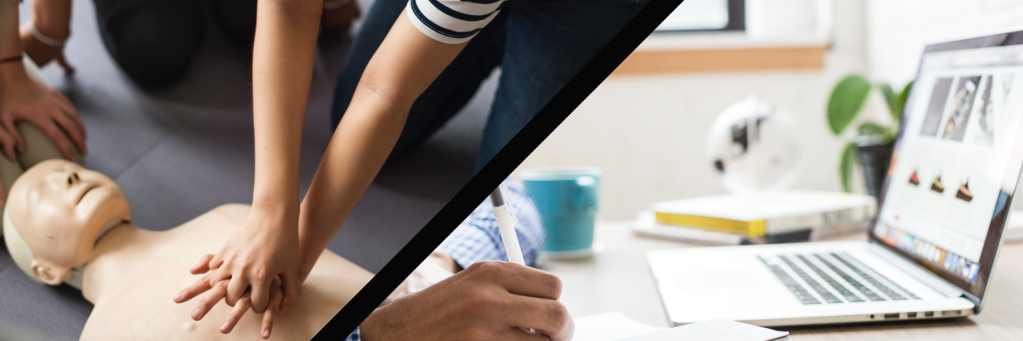
We’ve recently updated the format to our First Aid for Sport & Exercise 1 course. To find out more about the new format www.lubasmedical.com