

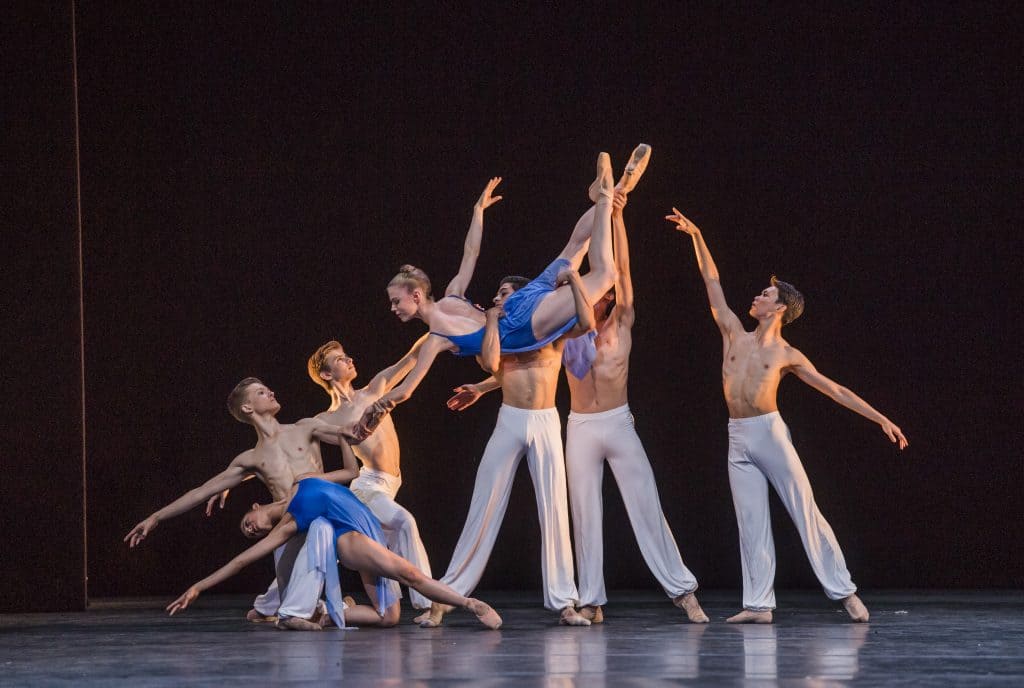
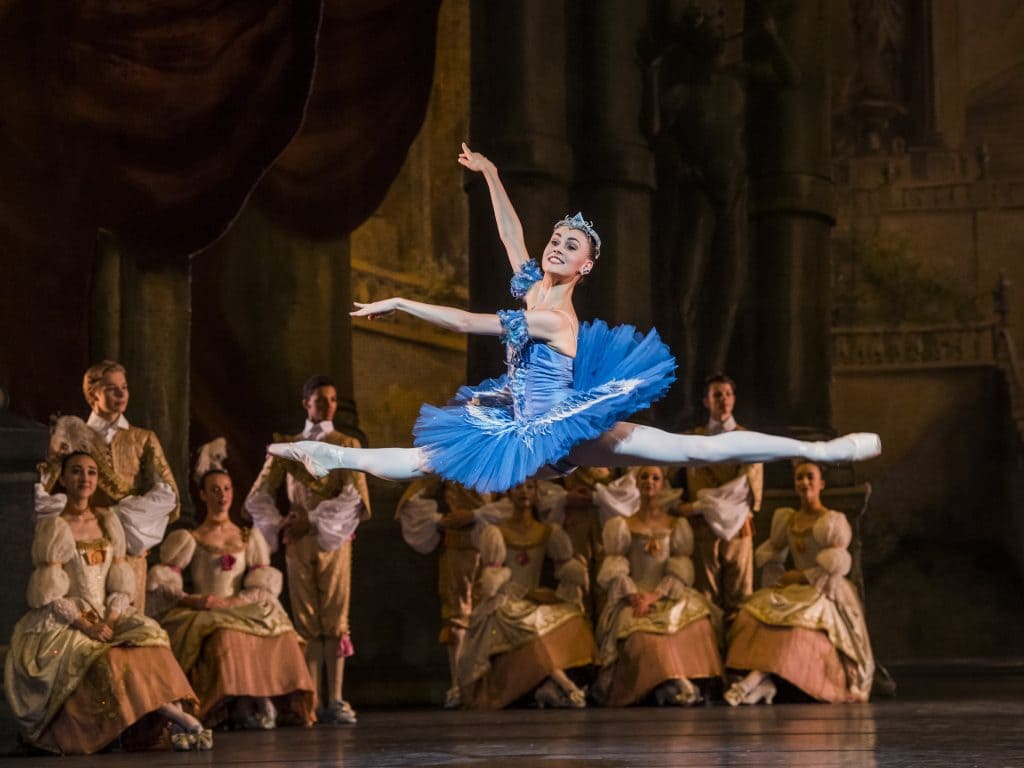
Traumatic injuries are perhaps not something you associate with ballet & dance. But considering the strength & agility of the dancers and the speed & height they perform at, it’s not difficult to see potential risks of serious injury.
Falls from height, for example, can cause potential head & spinal injuries, along with fractures, sprains and strains.
This is why we were asked to run a Lubas Sports Trauma Management course for members of the healthcare teams at the Royal Ballet school, White Lodge (a stunning & historic building set in Richmond Park, London).
The healthcare teams at the Royal Ballet are led by Karen Sheriff, who is Clinical Healthcare Manager at the School. Karen was kind enough to give her time & discuss her role further with me:
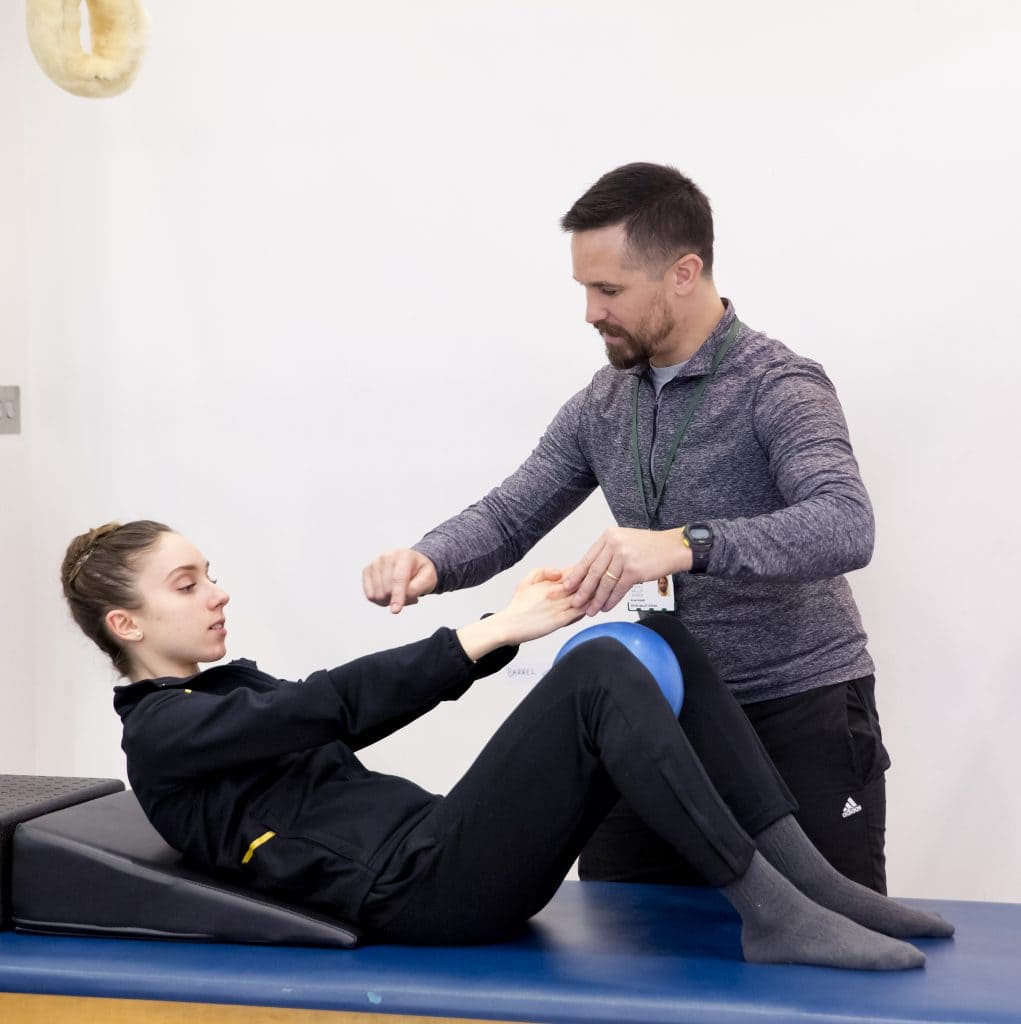
We currently have 20 members of staff in our healthcare team, mirrored across the 2 School sites.
The teams include School nurses, Sports & Exercise Medicine Consultants, Pilates Instructors, Sports Scientists, Physiotherapists, School Counselor, a Clinical Psychologist, a Performance Nutritionist and a Rehabilitation Ballet Instructor.
The medical staff work under 3 main strands:
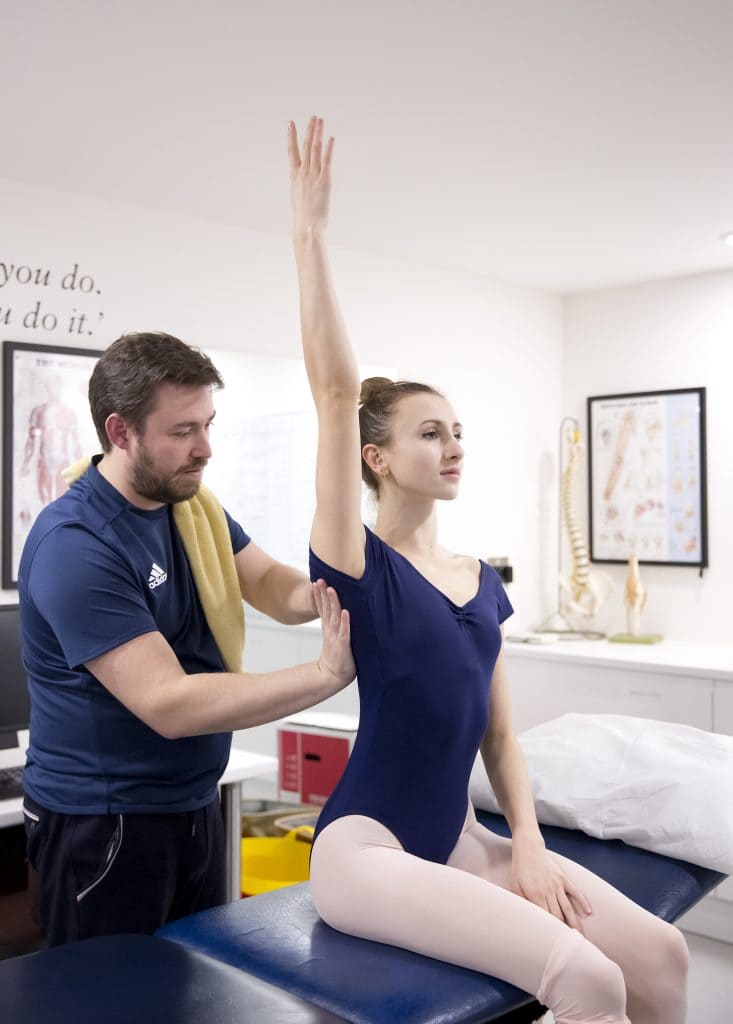
Most of our injuries occur in the lower limb. At White Lodge we see more growth-related injuries (as they're adolescents training). However, at the Upper School, we see more injuries particularly related to overuse.
We know the quality & holistic nature of the healthcare service that the students now have access to is outstanding.
Over the last 2 years, we've seen an absolute trend of having a more developed healthcare team, the injury numbers reducing and importantly, the number of days out of training and restricted in class, reduce across the board.
We work together with the artistic teachers as a complete ‘performance team’. Through internal research, we are looking to maximise our understanding of the training loads and ultimately to reduce our injuries.
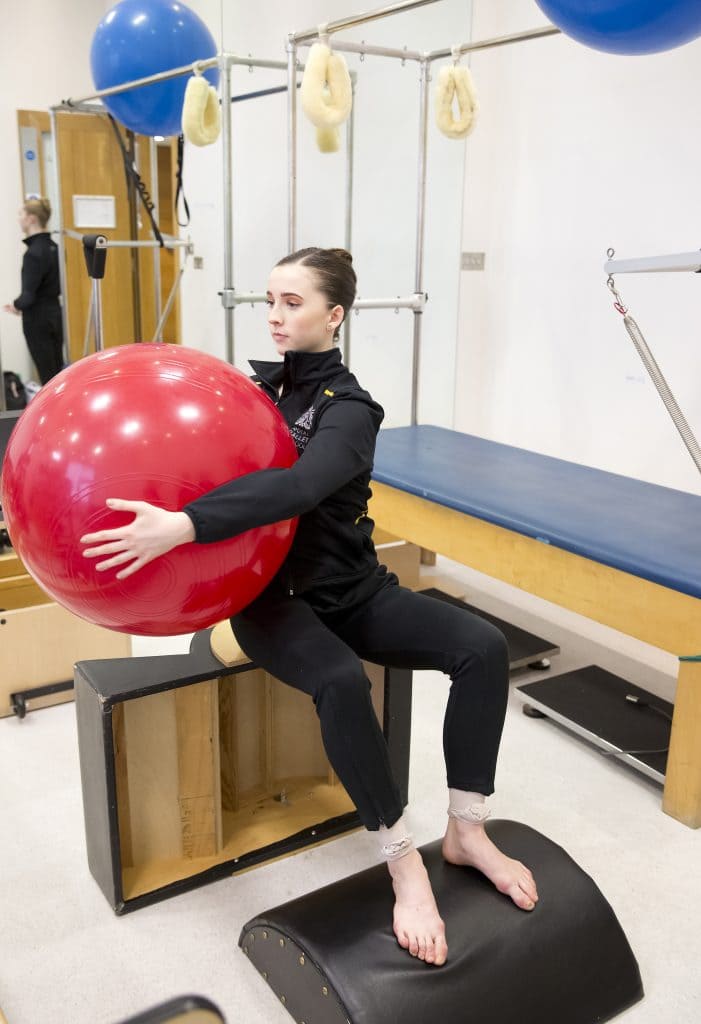
We recently had an ACL rupture from an awkward landing in the studio (this was because they were wearing socks and should not have been!). We've also had a dancer accidentally dropped by their partner during a choreography session. Luckily, no one was seriously injured.
Other than that, we manage longer term tibial stress fractures, and the occasional pars fracture.
This is staggered according to their ages. But at White Lodge, it's up to 4 hours a day. At Upper School (16-19 years old), this can be 5-6 hours a day.
The Royal Ballet School is a boarding school, and because of this, all students fit this amount of training in around their academics too.
Our top tips are:
Education and understanding is vital. We teach on the ‘healthier dancer’ modules of the degree programme at Upper School. Therefore this together with the wellness app, allows the young dancers to understand and ultimately track/monitor their own training & well-being. This enables them to become independent, robust and healthy dancers.
We would again like to thank Karen and the team at the Royal Ballet School for giving us a fascinating insight into the management of injuries within ballet.
If you would like further information regarding trauma management for ballet, dance or performance, please contact us.
