
What Paramedics Really Expect from Dental Practices in Wales During an Emergency
Medical emergencies in dental practices are not rare theoretical events. They’re real & happen in practices like yours.
Studies show that dental professionals in local practices encounter medical emergencies on average every 1 to 2 years. That means most dental practices across the UK will have to deal with at least one emergency every few years, even if it feels like it doesn’t happen often.
On top of that, the General Dental Council (GDC) expects every registrant to be competent & confident in handling these situations. The guidance doesn’t merely encourage training; it requires evidence of capability in managing medical emergencies.
But many practices still feel underprepared when the moment comes.
Why this matters more than ever for dental practices in Wales
Ambulance wait times across the NHS have increased significantly in recent years. In parts of South Wales, paramedics can take an hour or more to reach urgent calls. Your team will be caring for a seriously unwell patient for longer than you think, even after you’ve called emergency services.
This changes the game.
It means your Emergency Action Plan, your team training & your approach to drugs & equipment don’t just protect your patients - they also protect your team, your practice & your reputation.
Gold-standard emergency care means more than just ticking items off a checklist. It really means maintaining confidence during high-pressure situations.
Paramedics are not looking for perfection - they’re looking for preparation.
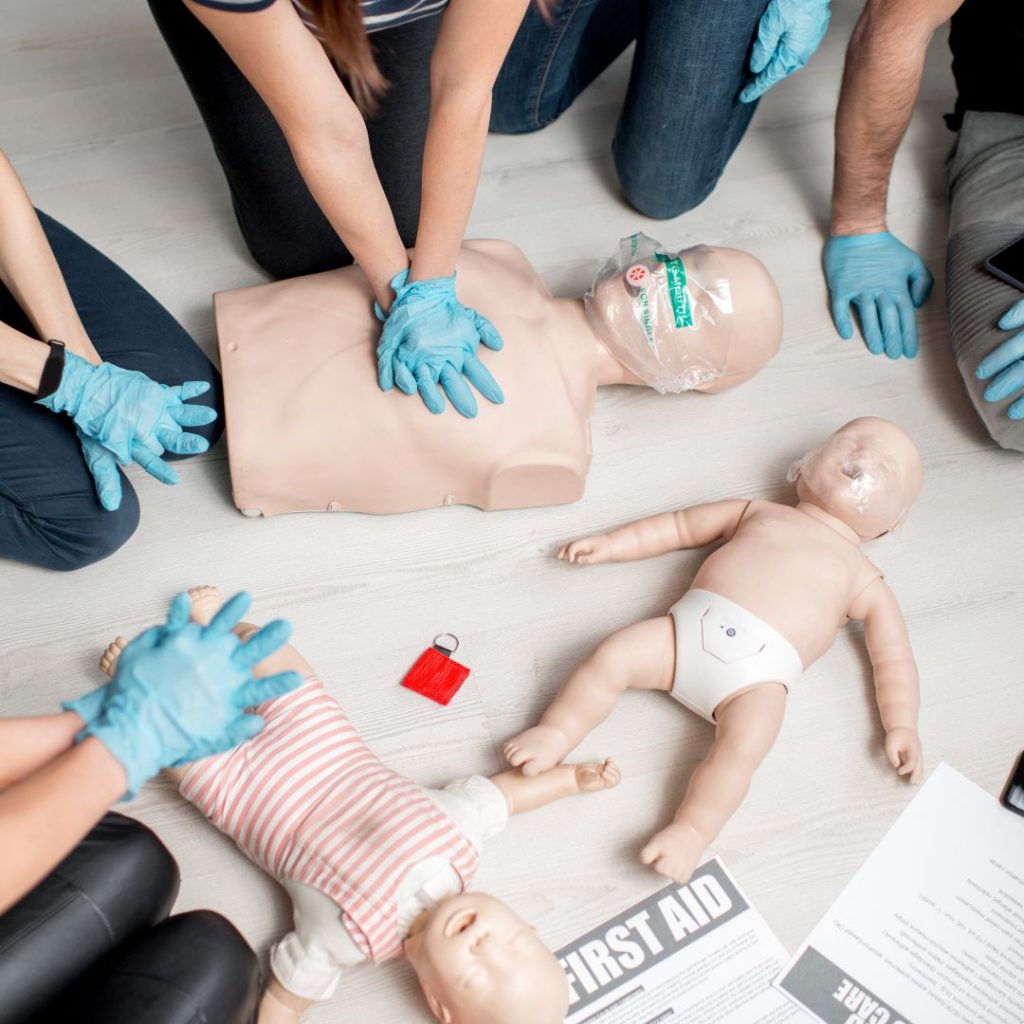
When paramedics arrive at a dental practice in an emergency, they’re not auditing your dentistry skills. They’re assessing how confidently & safely the situation has been managed so far.
Research published in the Journal of Paramedic Practice outlines what experienced paramedics expect to see when they arrive at a medical emergency in a dental setting. They focus on three key areas:
1. Emergency Action Plan (EAP)
Not just a policy that’s been placed on a shelf, but a plan everyone in your practice knows & can act on.
2. Staff Training
Not just annual CPR certificates, but training that builds clear roles & muscle memory.
3. Drugs & Equipment
Not just owning an AED & emergency drug kit, but knowing who can use what, when & how.
These aren’t luxury items. They’re core to keeping patients safe before paramedics arrive.
The GDC & Resuscitation Council UK both support this approach. They highlight that all clinical areas where patients are seen should have immediate access to an AED & a suitable emergency drugs kit that your team is prepared to use.
It’s not easy for you to keep up with up to date guidance. GDC, Resuscitation Council, and the BNF give you crucial information, but it's often scattered & difficult to consolidate. This leads to stress & wasted time spent searching for documents rather than focusing on patient care.
Confidence protects patients.
A 2023 UK study (Sin et al.) highlights a common theme among dental professionals: reduced confidence in diagnosing & managing medical emergencies such as adrenal crises, anaphylaxis and seizures.
That’s understandable. These situations are rare, and real-life practice opportunities are even rarer. When emergencies do occur, it’s the confidence to act quickly & effectively that makes the difference between chaos & calm.
Just owning equipment isn’t enough. Effective CPR & correct use of an AED can dramatically increase the chances of survival in cardiac arrest.
The UK sees around 60,000 out-of-hospital cardiac arrests every year, so being confident in these skills matters, even if they seem unlikely in your day-to-day practice.
So what should dental practices in Wales actually do next?
The truth is this:
The information is available, but it’s spread across various bodies & guidelines, which can make it unclear.
That is why your first step should be to understand where your practice really is today.
Start with your Dental Practice Safety Self-Assessment
This free self-assessment takes about 10 minutes and asks practical questions about:
- Your emergency action planning
- Your team training and confidence
- Your readiness with drugs and equipment
After completing it, you get a downloadable report showing where your practice is strong and where you may need support. It isn’t judgment, it’s clarity.
From there, you can build a clear action plan, strengthen your team’s confidence, and ensure everyone on your team knows what to do in the moments that matter most.
What happens next?
Over the next few weeks, we will break down the three key areas that paramedics judge first:
- Emergency Action Planning
What it is and how to make yours bulletproof. - Team Training for Medical Emergencies
What good training really looks like. - Emergency Drugs and Equipment
Who can administer what and why clarity matters.
You don’t have to do it alone.
You just need information that makes sense.
